
contact@saltel.rw +250 788 314 953 Monday–Friday, 08:00–17:00

SALTEL insights

A clearer view of what’s next in ICT.

Ideas and practical perspectives on the technologies, strategies and skills shaping connected organizations.

Explore insights

From our team

Explore our insights

Explore emerging technologies, digital infrastructure, agriculture innovation, and the ecosystems our communities depend on.

Digital security circuitry

Cybersecurity

Strengthening cyber resilience for growing businesses in Rwanda

Cybersecurity is essential for organisations managing digital operations, payments, and customer data. Build practical defenses with layered controls, regular reviews, and staff readiness.

Start by mapping the systems and information your organization depends on, then assign clear owners for protection and incident response.
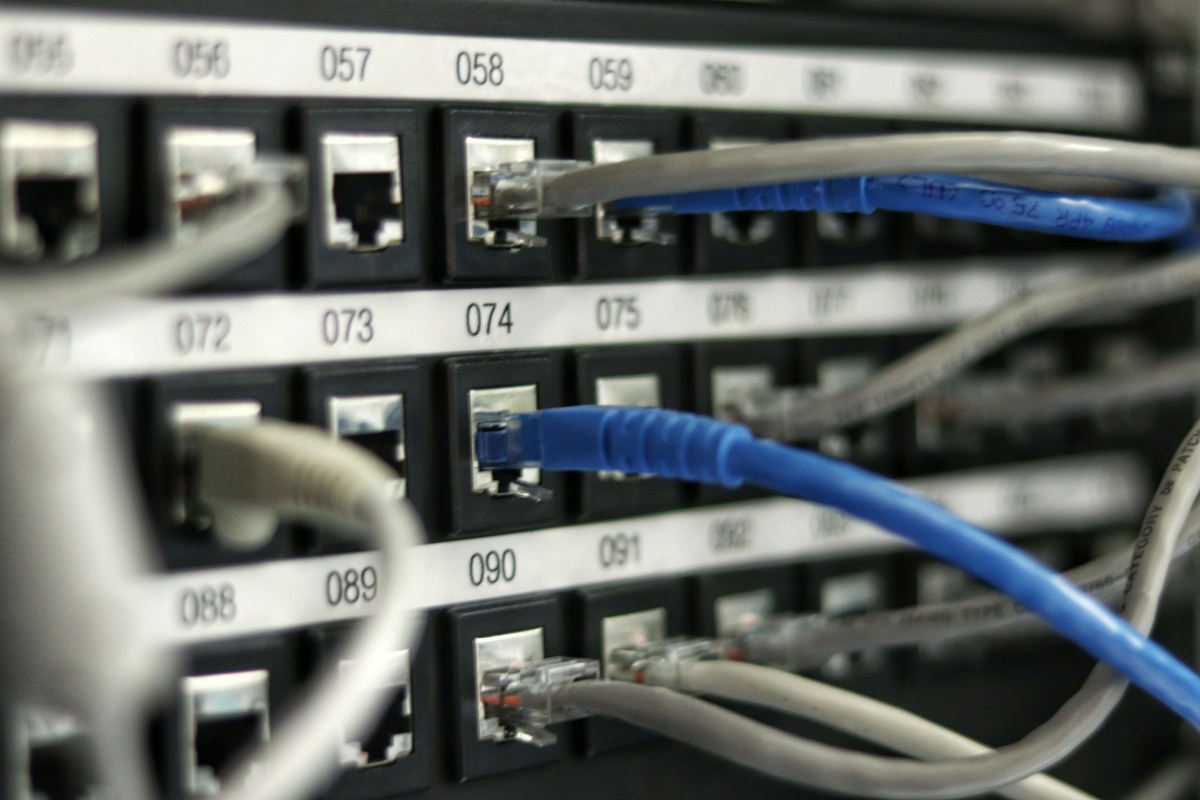

Network switch ports and connected cables

Connectivity

Why reliable network infrastructure matters for business continuity

From branch connectivity to data centre planning, strong network foundations reduce downtime, improve productivity, and support long-term scalability.

Document critical connections, identify single points of failure, and test recovery plans with the teams that rely on those services.

Technology professionals learning together

Skills and training

Building practical ICT skills for Rwanda's next generation of talent

Hands-on technical learning paired with real-world problem solving helps prepare people for opportunities in ICT, engineering, and technical support.

Look for learning that gives participants time to practice, troubleshoot real tasks, and explain the decisions behind their work.

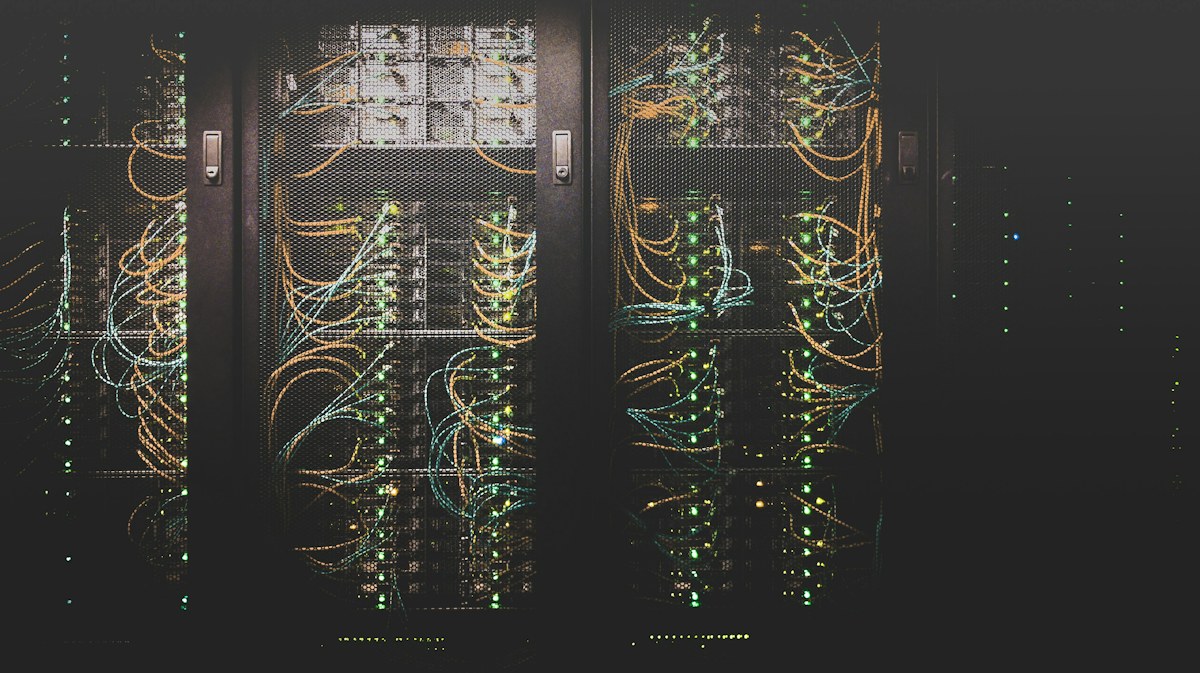
Racks of servers in a data centre

Business continuity

How backups and disaster recovery protect critical data

Reliable backups and tested recovery plans help organisations restore services, protect records, and reduce disruption when systems fail.

Agree recovery goals with service owners and test restores regularly; a backup matters only if teams can recover from it.

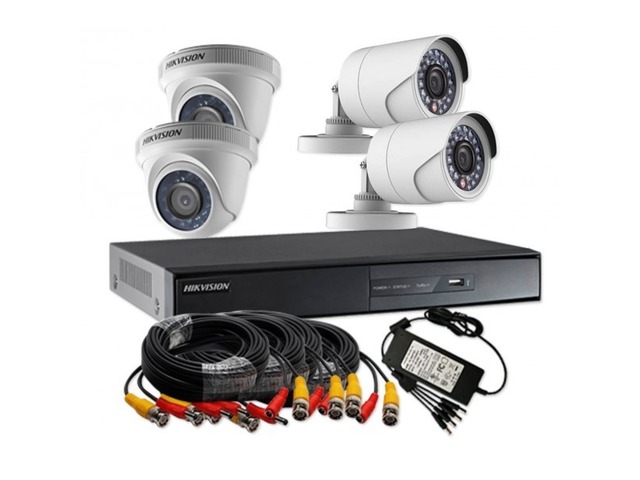
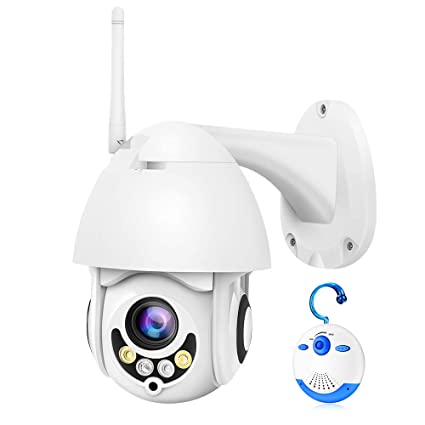
Workplace surveillance camera

Physical security

Smart access control and surveillance for safer workplaces

Combine access policies, surveillance, and responsible monitoring to improve safety while giving administrators clearer oversight.

Begin with a site risk review and define who may view, retain, and act on recorded footage.

Professional reviewing a digital interface

Digital strategy

Why digital transformation starts with an ICT strategy

Align technology investments with business goals to focus spending, improve services, and create a practical roadmap for change.

Translate business goals into prioritized initiatives, named owners, measurable outcomes, and realistic operating costs.

Circuit board representing emerging technology

Emerging technology

Generative AI at work: start with useful, measurable tasks

Identify bounded tasks, review data handling, and keep people accountable for decisions when introducing generative AI into business workflows.

Choose a low-risk task, establish human review, and measure accuracy and usefulness before expanding a pilot.

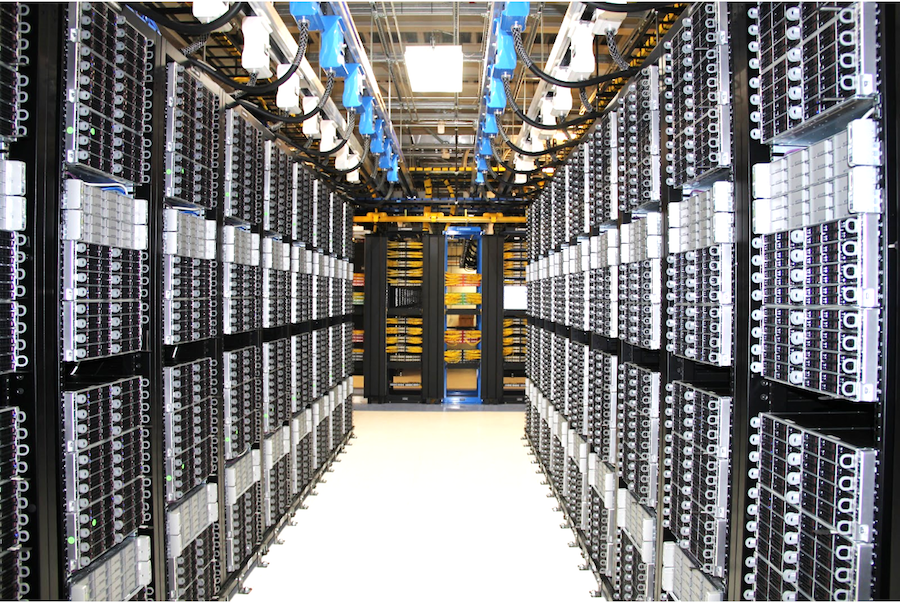
Rows of server racks in a modern data centre

Artificial intelligence

Preparing infrastructure for the next wave of AI applications

Assess compute, storage, network capacity, security, and energy needs before scaling AI workloads beyond small pilots.

Include power, cooling, data movement, privacy, and workload controls in capacity planning, not just processor requirements.

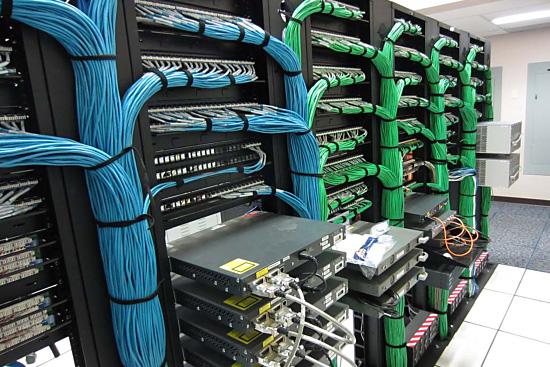
Network racks and structured cabling

Edge computing

When should organizations bring computing closer to the edge?

Local processing can help time-sensitive systems and remote sites, but requires clear plans for device management, security, and connectivity.

Use edge computing where latency, intermittent links, or local autonomy justify the added operational complexity.

Industrial control equipment and connected sensors

Internet of Things

Making industrial IoT useful with reliable sensor data

Start with a specific operational question, then connect and secure the sensors and systems needed to answer it reliably.

Standardize how devices are identified, monitored, patched, and retired before connecting them at scale.

Illustration of connected digital devices

Digital twins

Digital twins: turning operational data into better decisions

A useful digital twin begins with accurate asset data and a clear decision to support, not just a detailed virtual model.

Keep the model connected to timely operational data and the specific decisions teams need to make.

Network cabling in computing infrastructure

Advanced computing

Quantum computing is coming: what should IT teams do now?

Most organisations can begin with awareness: inventory cryptographic dependencies and follow standards guidance as the field develops.

Inventory where public-key cryptography is used and track standards-based migration guidance as it evolves.

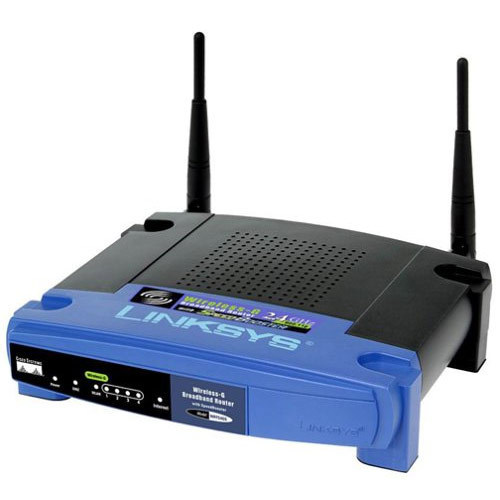
Wireless router equipment

Next-generation networks

Private 5G and Wi-Fi: choosing connectivity for the job

Compare coverage, device support, latency, cost, and operational needs rather than assuming one wireless technology fits every site.

Pilot coverage and application needs, then compare lifecycle and operating costs against existing Wi-Fi options.

Illustration representing cloud technology

Cloud technology

Modernizing cloud systems without losing sight of reliability

Plan migrations around application dependencies, recovery objectives, identity, and a measured path to improve operations.

Map dependencies, define a rollback plan, and compare service health before and after each migration step.

Software development concept

Software innovation

Low-code platforms: faster delivery with responsible governance

Give teams room to solve workflow problems while setting standards for access, data quality, testing, and ongoing ownership.

Decide who owns each workflow, how access is approved, and how changes are tested and maintained.

Biometric access-control reader

Cybersecurity

Zero trust in practice: strengthen identity before adding tools

Improve identity protection, least-privilege access, and device visibility as practical steps toward a more resilient security model.

Review privileged roles and stale accounts before expanding your identity security tooling.

Sunrise over cultivated farmland

Agriculture technology

Precision agriculture: using field data to guide better decisions

Combine local observations with weather and soil data to help farmers target inputs, monitor crop conditions, and use resources carefully.

Choose one crop or field challenge, record a baseline, and test whether the data leads to a better-informed action.

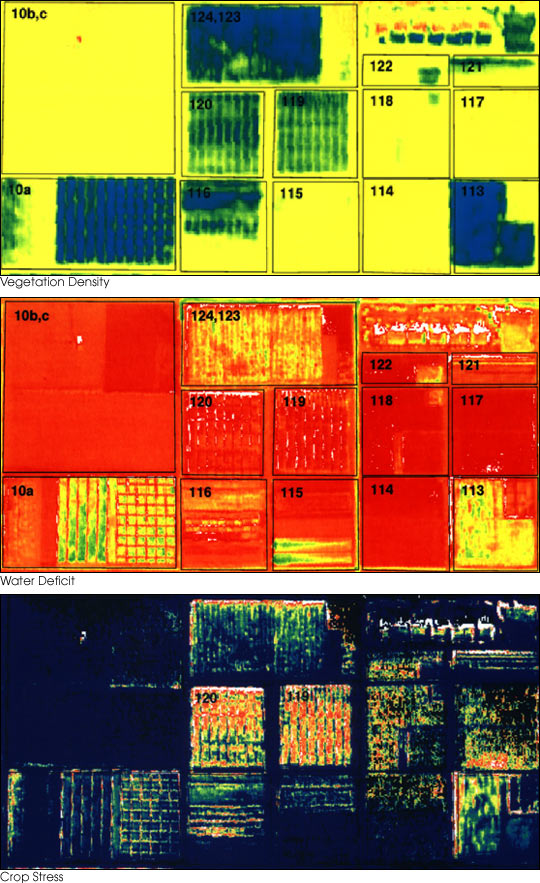
Remote-sensing comparison of crop fields

Remote sensing

How satellite imagery can help monitor crop health

Satellite observations can reveal patterns across fields; ground checks are still essential for understanding what is causing them.

Compare imagery from consistent dates and validate patterns with field observations before changing farm practices.

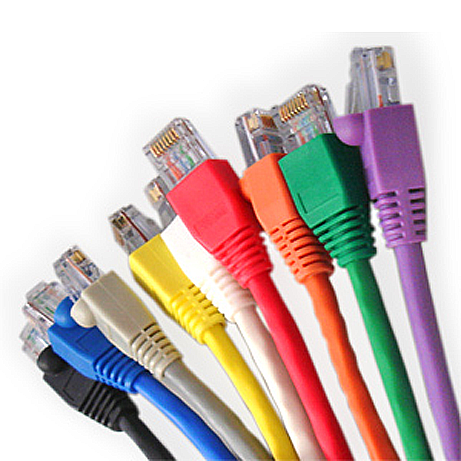
Network cables for rural sensor connectivity

Smart farming

Farm sensors and IoT: make connectivity work in rural areas

Design for power, network coverage, weather, and simple maintenance so field sensors remain useful beyond a short pilot.

Plan for connectivity gaps with local data buffering, remote diagnostics, and accessible maintenance support.

Agricultural fields arranged for precision irrigation

Water management

Smart irrigation: matching water use to crop and soil needs

Soil measurements, crop requirements, and local weather data can inform irrigation schedules and help reduce avoidable water use.

Track water use and crop outcomes together to check whether a new irrigation schedule is working.

Camera equipment for collecting and directing imagery

Agricultural robotics

Agricultural drones: where aerial mapping adds value

Plan drone surveys around a clear need, safe operating practices, local rules, and a way to turn imagery into field action.

Confirm local permissions, operator training, and data handling before collecting aerial imagery.

Products displayed in a retail setting

Digital agriculture

Digital marketplaces and better information for smallholder farmers

Accessible digital services can connect farmers with market information, buyers, and support when they are designed for local realities.

Design for low bandwidth, local languages, transparent pricing, and trusted farmer support from the start.

Fresh produce prepared for handling and transport

Agricultural supply chains

Cold-chain monitoring can help protect food quality

Temperature monitoring and clear response procedures help teams spot handling issues as produce moves from farm to market.

Set safe ranges, alert contacts, and corrective actions before deploying temperature sensors.

Forest, mountain, and lake ecosystem

Ecosystems

Digital tools for understanding soil health and biodiversity

Combine field surveys and carefully selected measurements to build a clearer picture of soil conditions and local biodiversity over time.

Pair sensor readings with repeatable field observations and local ecological knowledge.

Mountain forest and lake landscape

Climate resilience

Climate information that helps communities plan ahead

Useful early-warning systems pair trusted local forecasts with clear advice and reliable ways to reach the people who need it.

Make alerts understandable, available in relevant languages, and connected to clear response plans.

Wind turbines generating renewable power

Clean energy

Renewable microgrids and resilient digital infrastructure

Reliable power planning can extend the reach of connectivity and digital services in communities beyond the main grid.

Plan for storage, routine maintenance, monitoring, and continuity for the digital services a microgrid supports.

Flowing stream in a forest ecosystem

Environmental monitoring

Connected water-quality monitoring for healthier ecosystems

Well-maintained sensors and transparent data practices can support timely water-quality checks and better-informed environmental decisions.

Calibrate sensors, record sampling conditions, and communicate uncertainty alongside environmental measurements.

Rainforest conservation landscape

Ecosystem restoration

Using consistent data to track ecosystem restoration

Repeatable field observations and shared records help restoration teams understand progress and adapt their work over time.

Set a baseline with local partners and revisit the same indicators consistently as restoration work progresses.

Technician working with computer hardware

Sustainable technology

Building a more circular approach to IT equipment

Thoughtful purchasing, repair, reuse, and responsible recycling can extend equipment life and reduce avoidable electronic waste.

Track device lifecycles and consider repairability, reuse, and responsible recycling during procurement.

People participating in a connected learning session

Digital inclusion

Designing digital services for rural connectivity realities

Consider intermittent networks, device access, language, and support needs so essential services remain usable in more places.

Test services on affordable devices and unreliable connections, not only in ideal network conditions.

Uninterruptible power supply equipment

Responsible innovation

Responsible AI includes energy-aware technology choices

Measure workloads, choose efficient infrastructure, and make sure new AI systems solve a real problem before expanding their use.

Track energy and resource use alongside model quality and the service value the system provides.